Premium Fence Installation: Enhance Your Property's Aesthetic With Skilled Craftsmanship
Tailored fence installation serves as a critical component in elevating both the visual and practical dimensions of a residential space. Offering diverse materials and designs available, residents can achieve a customized look that enhances their landscape. Expert installation proves critical in ensuring strength and visual appeal. As residents evaluate their options, they may start considering how to effectively plan their fencing project for the greatest benefit.
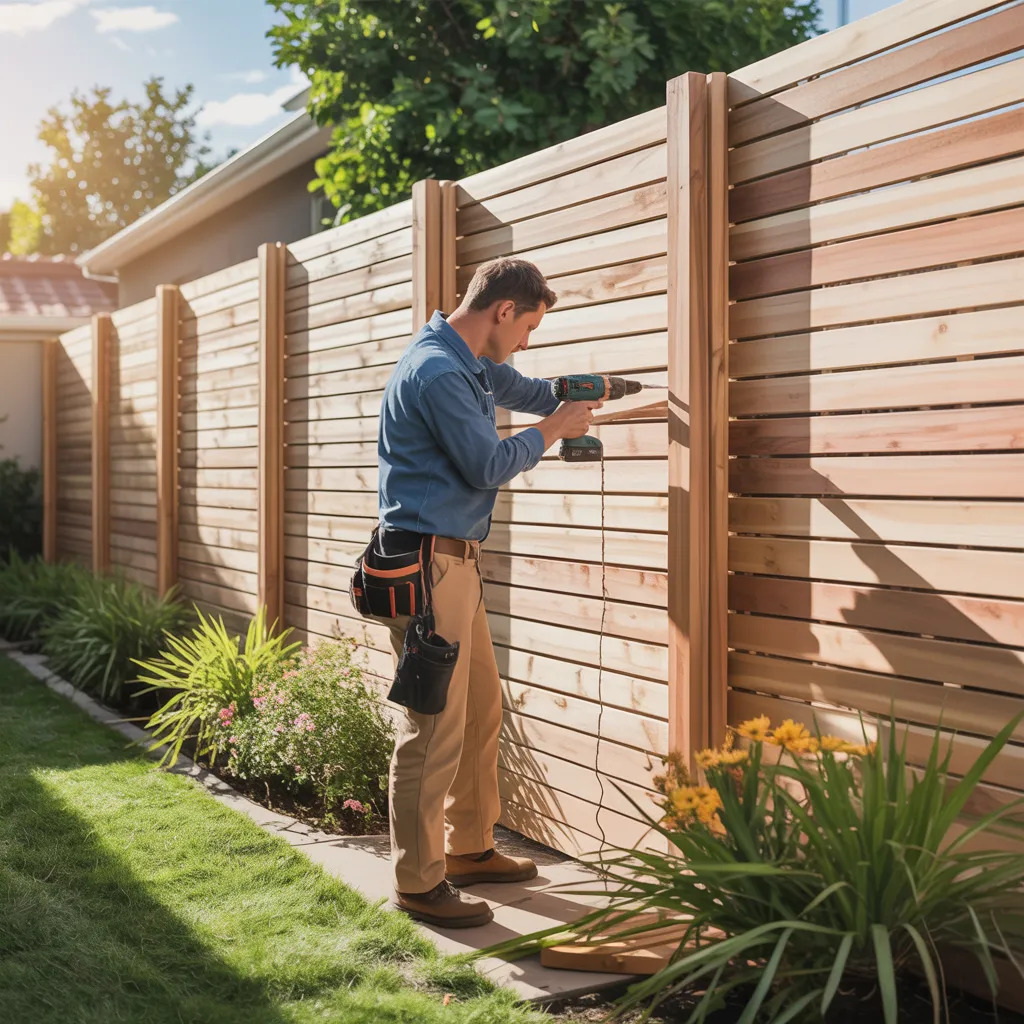
Why Custom Fences Are Important for Your Home
Customized fences have become commonly acknowledged as vital elements for homes and residential spaces. These structures fulfill several functions, enhancing security, privacy, and aesthetic appeal. Residents frequently recognize that a thoughtfully crafted fence is able to establish clear boundaries, offering a distinct separation between their home and surrounding properties. Such definition not only cultivates a feeling of proprietorship but also promotes a feeling of safety, particularly in urban settings.
Moreover, personalized fencing solutions can be designed to align with the design aesthetic of a home, blending seamlessly with the natural surroundings. Options including wood, vinyl, or metal can be selected based on durability and design preferences, delivering a broad selection to meet personal preferences. Beyond that, these fences can increase property value, making them a smart financial decision for homeowners. Ultimately, custom fences play a vital role to the visual charm and usability of living areas, making them an important factor in property enhancement projects.
Planning Your Custom Fence Budget
When organizing a custom fence project, property owners must carefully examine their budgets to confirm the final installation aligns with their vision without exceeding their finances. Creating a well-structured budget involves accounting for multiple considerations, including materials, labor costs, and any additional features, such as entryways or aesthetic additions. Property owners should gather several estimates from contractors to evaluate costs and offerings.
It's equally important to factor in possible hidden costs, such as site preparation or permits. By allocating a contingency fund—generally 10-15% of the overall budget—homeowners can cover unanticipated expenses that may come up during the course of the installation.
Separating needs from wants can make budgeting more efficient, guaranteeing that necessary features are covered while reducing unnecessary costs. By thoughtfully approaching the budgeting process, homeowners can guarantee a rewarding and successful custom fence endeavor that adds value to their property without jeopardizing their financial health.
Selecting the Best Materials for Your Custom Fence
When choosing the right materials for a custom fence, homeowners frequently encounter the choice between wood and vinyl options. Each option presents unique advantages regarding durability and maintenance requirements. Knowing these differences can strongly impact the overall effectiveness and longevity of the fencing solution.
Wood or Vinyl Fencing
Picking the right materials for a fence can significantly affect both aesthetics and practicality. Wood fencing is commonly favored for its natural beauty and adaptability, allowing for various designs and finishes. It can effortlessly integrate with landscaping and delivers a charming, appealing look. Nevertheless, it often needs consistent care to keep its beauty intact.
In contrast, vinyl fencing presents a sleek look with a clean, uniform look. It comes in countless tones and configurations, allowing homeowners to find options that align with their vision. Vinyl stands up against pests and decay, positioning it as a hassle-free selection. Ultimately, the selection between timber and vinyl fencing solutions rests on personal taste, desired appearance, and long-term goals for the property.
Durability and Maintenance Factors
Assessing durability and maintenance factors is crucial for identifying the right options for a tailored fence. Various materials offer distinct advantages regarding durability and maintenance. For illustration, metal fences, such as wrought iron or aluminum, deliver remarkable resilience and require minimal maintenance, withstanding rust and weathering. In contrast, wood fences, though visually appealing, require consistent upkeep to prevent rot and insect damage, affecting overall longevity. Vinyl fence solutions stands out for its low maintenance needs, holding up against fading and bending but might struggle in severe weather environments. At the end of the day, the choice of material should reflect the owner's design preferences, weather conditions, and commitment to regular care, guaranteeing the fence stays durable and attractive through the years.
Designing a Fence That Complements Your Landscape
Designing a fence that complements a landscape calls for careful consideration of design aesthetics and the use of organic materials. A thoughtfully chosen fence not only enhances the existing structures but also integrates with the adjacent landscape. Identifying materials that suit the landscape can establish a harmonious and appealing outdoor space.
Matching Architectural Styles
How can homeowners establish a seamless integration between their fences and the surrounding architecture? By carefully considering the style and materials of their home, they can select a fence that enhances the overall aesthetic. To illustrate, a modern home may be well-suited to streamlined, minimalist designs, while a conventional residence could be perfectly matched with timeless picket or wrought iron fences.
Furthermore, color schemes should align; a fence that mirrors the home's trim color can bring the entire space together. Height and scale are additional factors homeowners should evaluate, confirming that the fence does not overpower the yard or feel inconsistent with the surroundings. In the end, a thoughtfully designed fence can enhance curb appeal and create a cohesive, inviting atmosphere that reflects the homeowner's unique style.
Picking Natural Materials
While selecting a fence, homeowners often find that choosing organic materials can greatly strengthen the connection between the fence and the surrounding scenery. Wood, stone, and bamboo are popular options that not only provide durability but also blend seamlessly with various environments. For instance, fences made from cedar or redwood can evoke a warm, rustic feel, while stone walls deliver a sophisticated, enduring look. Additionally, opting for locally obtained materials can foster a meaningful connection to the land, grounding the property within its geographic context. Homeowners should assess the care needs of these materials, as well as their resistance to weathering and pests. Ultimately, the right choice of natural materials can improve both the fence's utility and its overall appearance, creating a cohesive outdoor space.
Why Professional Craftsmanship Makes a Difference
Skilled workmanship in fence installation greatly impacts both the overall appearance and long-term strength of a property. Professional installers have the knowledge to determine the most suitable materials and techniques customized for unique climate conditions. This knowledge guarantees that fences not only elevate a property's visual charm but also endure for years to come.
Meticulous attention during installation plays an essential role in creating a polished result. Exact measurements and careful alignment prevents issues such as leaning or sagging, which can compromise a house's visual appeal. Additionally, professional craftsmanship often includes following regional requirements and safety protocols, reducing potential liabilities for homeowners.
Investing in expert installation also means leveraging state-of-the-art tools and methods that are often unavailable to amateur installers. Such a meticulous process yields a long-lasting fence that enhances the value of the property while reflecting the homeowner's style and taste. At the end of the day, professional craftsmanship assures that a fence performs its role efficiently and aesthetically.
Maintenance Tips for Long-Lasting Fencing Solutions
Proper maintenance is key to ensuring the longevity and durability of every fence, no matter the skill involved in its construction. Routine checks are necessary; property owners ought to look for indicators of wear, decay, or corrosion a minimum of two times annually. With timber fences, coating them with a protective finish every several years can shield against moisture and increase longevity. Iron and steel fences need regular cleaning to eliminate buildup and corrosion, typically with a wire brush or anti-rust coating.
Moreover, removing vegetation that grows against the fence minimizes the risk of mold development and insect issues. Providing proper drainage around the fence line prevents water accumulation, which can damage the foundation. To conclude, handling any issues quickly can minimize expenses and effort in the long run. By following these upkeep guidelines, property owners can appreciate a attractive and practical fence for many years to come, enhancing their property's curb appeal.

Frequently Asked Questions
How Much Time Does a Custom Fence Installation Usually Require?
A custom fence installation typically takes between one and two weeks, depending on factors such as project scope, material selection, and prevailing weather conditions. Delays may occur for permitting and site preparation prior to the start of construction.
Do I Need a Permit for Installing a Custom Fence?
Generally, a permit is necessary for the installation of a custom fence, depending on local regulations. It is advisable for homeowners to check with their local authorities to validate compliance with zoning regulations and property guidelines.
What Are the Most Popular Styles of Custom Fences?
Common designs of custom fence designs feature picket, privacy, ornamental, and ranch. Each option presents distinctive visual useful guide appeal and practicality, addressing different needs while enhancing home value and providing security for residential and commercial spaces.
Can I Install a Custom Fence in Winter?
Absolutely, a bespoke fence can be installed during the winter months. However, colder temperatures may affect installation techniques and materials, so it is essential to consult professionals for the most effective outcomes and ensure proper handling during challenging weather conditions.
How Do I Choose the Right Contractor for Installation?
To select the ideal contractor for installation, it is important to check credentials, check reviews, obtain multiple quotes, and verify experience. Transparent communication and a comprehensive contract are necessary to ensure high-quality workmanship and overall satisfaction with the work.